✉  booking@oncortravel.com
📞  +1 718 717 1528
⭐  Reviews
✦  Europe

Iceland

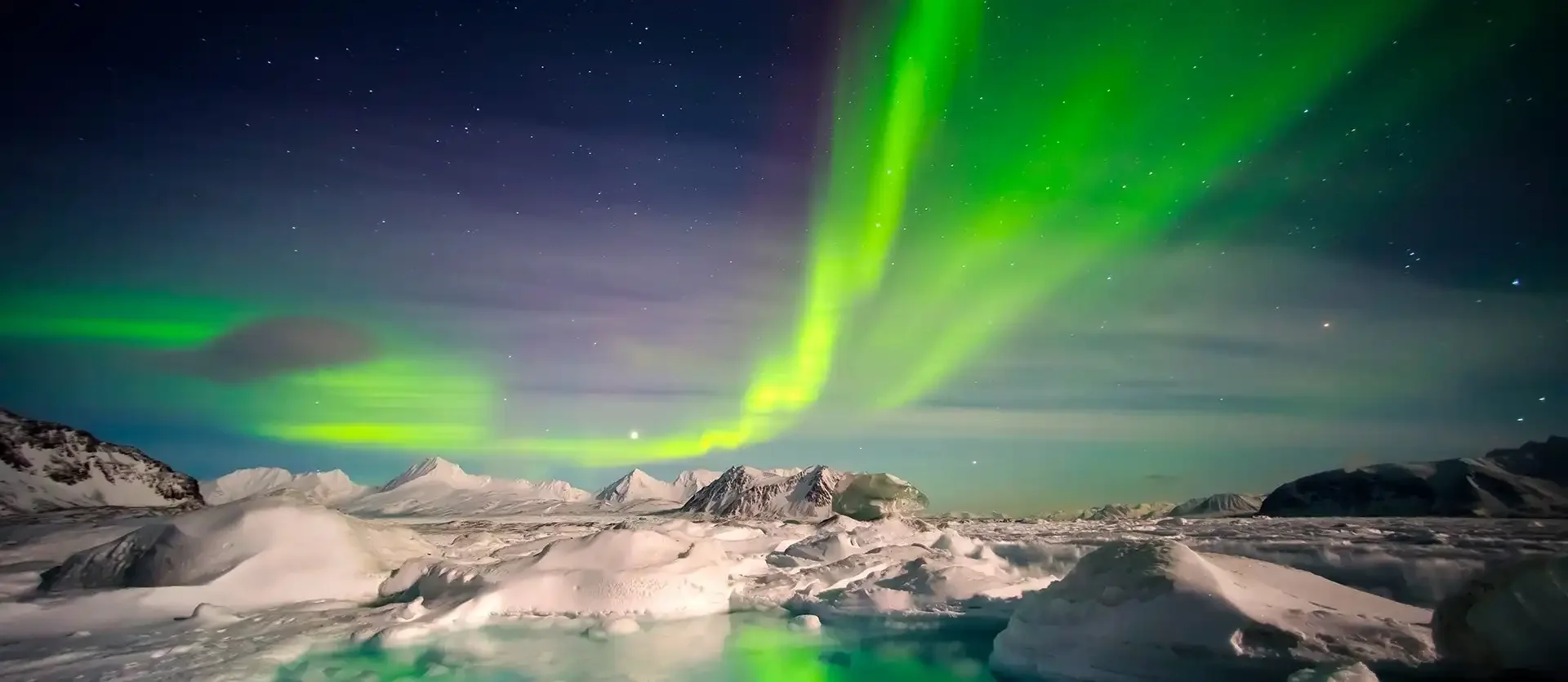
The Northern Lights dancing across a sky full of stars, a glacier hike above a volcanic plain, geysers erupting every few minutes, and waterfalls that drop directly into the ocean — Iceland is unlike anywhere else on earth.
2 toursavailable now
7–10 daystypical length
Max 16guests per group
Capital
Reykjavik
Time zone
GMT (UTC+0)
Best months
Feb – Mar (Aurora), Jun – Aug (Midnight Sun)
Currency
Icelandic Króna (ISK)
Country overview
Fire, Ice and the Northern Lights

Iceland sits on the Mid-Atlantic Ridge — the boundary between the North American and Eurasian tectonic plates — and the landscape reflects this extraordinary geological position. Glaciers cover 11% of the country. There are over 200 volcanoes. Hot springs bubble from the ground and geysers erupt on schedule. The light in summer never fully disappears. In winter, the Northern Lights are among the most spectacular natural phenomena on earth.

Our tours visit Iceland in both seasons — the winter aurora tours run from December to March, and the summer Ring Road adventure runs from June to August. Both offer completely different but equally extraordinary experiences of this remarkable country.

Northern Lights
The Aurora Borealis dancing across Iceland's dark winter sky — our guides know the best locations and conditions for viewing.
Glacier Hiking
Walk on one of Europe's largest glaciers — crampons on, ice axes in hand — an experience that never loses its impact.
Golden Circle
Þingvellir National Park, the Geysir geothermal area, and Gullfoss waterfall — Iceland's most iconic natural circuit.
Jökulsárlón Glacier Lagoon
Icebergs calved from the Breiðamerkurjökull glacier floating in a lagoon before drifting out to sea — one of the most surreal landscapes in the world.
Where to go
Regions & Highlights
Reykjavik as the base, the Golden Circle to the east, the South Coast to the glaciers, and the Ring Road for the full circuit.
Reykjavik & Golden Circle
The world's most northerly capital, geysers, and Þingvellir — Iceland's essential circuit.
South Coast & Glaciers
Black sand beaches, glacier lagoons, and the ice caves of Vatnajökull.
Ring Road
Ring Road
The full circumference of Iceland — waterfalls, fjords, lava fields, and remote wilderness.
Best
Good
Off-peak
Destination expert
Talk to a Iceland Expert
Our Iceland advisors have traveled the island in every season and know exactly where to find the best aurora viewing, the most accessible glacier hikes, and the hidden hot springs away from the tourist trail.
Request a Quote → Ask a question
Our tours
Iceland Tours
All tours are land only and depart from Reykjavik. Maximum 14 guests per departure.
Best time to visit Iceland
Jan
Best
Feb
Best
Mar
Best
Apr
Good
May
Off-peak
Jun
Off-peak
Jul
Good
Aug
Off-peak
Sep
Off-peak
Oct
Good
Nov
Best
Dec
Best
What travelers say about Iceland
★★★★★4.9 · 121+ reviews
★★★★★
"Iceland in December — Northern Lights three nights running and a glacier hike on day four. The guide knew exactly where to position us for the best aurora views. Worth every penny."
TB
Thomas B.
Northern Lights & Glacier Lagoons
★★★★★
"The East Fjords in summer — wildflowers, puffins, and no other tourists. Then back west through the Highlands. Iceland is the most extraordinary landscape I have ever seen."
CM
Claire M.
Ring Road Adventure
★★★★★
"Walking on a glacier with crampons for the first time at 10pm in near-daylight. Then Northern Lights at 1am from a hot tub. Iceland delivers the impossible as standard."
JL
James L.
Northern Lights & Glacier Lagoons
Frequently asked
Iceland Travel Questions
When is the best time to see the Northern Lights?
September to March, with February and March offering the best combination of dark skies and clear weather. Aurora sightings are never guaranteed but our guides maximise your chances.
Is Iceland a good destination in summer?
Yes — the midnight sun, wildflowers, puffins, and accessible hiking make summer extraordinary. The Ring Road is only safely driveable in summer months.
Is glacier hiking included?
Yes — our guides provide all equipment (crampons, ice axes, helmets) and lead the glacier walk as part of the included activities.
How cold does it get in winter Iceland?
Typically -5°C to 0°C in Reykjavik, colder inland. We provide a detailed packing list and recommend specific clothing for all guests before departure.
✦  Ready to explore Iceland?
Your Iceland Adventure Awaits
Request a free quote or browse our tours — your personal advisor will help you plan every detail.